

Overview
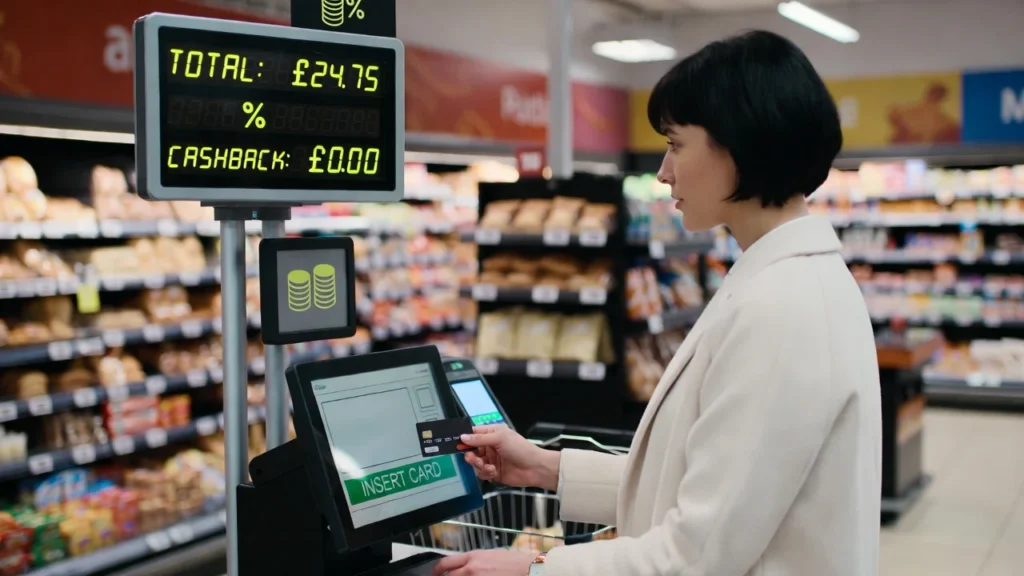
Yes, there are UK credit cards that offer cashback on nearly all purchases, typically at a flat rate (e.g. 0.25%–1%). However, exclusions often apply (such as cash withdrawals or balance transfers), and rates, purchase limits, and eligibility vary by provider.
Introduction
Imagine paying for your weekly shop, fuel, and online purchases—and earning money back each time. For many UK households managing rising living costs, cashback credit cards have become a practical way to stretch everyday spending further. According to the Financial Conduct Authority (FCA), millions of UK adults now use credit cards regularly, making rewards-based products increasingly relevant.
Cashback cards are especially appealing because they reward spending you already plan to make. But not all cards are equal. Some offer cashback on all purchases, while others restrict rewards to specific categories or apply caps and purchase limits.
In this guide, you’ll learn how cashback credit cards work in the UK, what “all purchases” really means, how to compare options, and whether they suit your financial habits. You’ll also see real-life examples, expert insights, and common pitfalls to avoid.
Key Takeaways
- Some UK credit cards offer flat-rate cashback on most purchases, but exclusions always apply
- Cashback rates are typically 0.25% to 1%, with higher rates often capped
- Your purchase limit and credit score affect eligibility and rewards
- Paying interest can outweigh cashback benefits if you don’t clear your balance
- Surprisingly, the highest cashback cards often have stricter spending caps
What is Are There Credit Cards That Offer Cashback On All Purchases? (A UK Guide for Beginners)
Cashback credit cards are cards that return a percentage of your spending as cash rewards. When we ask, “are there credit cards that offer cashback on all purchases?”, we’re referring to cards that provide a flat cashback rate across most eligible spending categories.
In the UK, these cards are commonly used by:
- Everyday spenders (groceries, fuel, bills)
- Online shoppers
- Individuals looking to maximise value from regular expenses
However, “all purchases” rarely means literally everything. Most providers exclude:
- Cash withdrawals
- Balance transfers
- Gambling transactions
- Some financial services payments
UK consumers encounter these cards through major banks, digital lenders, and comparison platforms. They’re regulated to ensure fairness, but understanding the terms is essential before choosing one.
How Are There Credit Cards That Offer Cashback On All Purchases Works in the UK
Here’s a step-by-step breakdown of how cashback cards operate:
- Application & Approval
You apply based on your credit profile. Lenders assess your history using agencies like Experian or Equifax. - Credit Limit Assigned
Your purchase limit (credit limit) determines how much you can spend. - Spending on Eligible Purchases
You use the card for everyday transactions. Cashback applies to qualifying purchases. - Cashback Accrual
Cashback accumulates as a percentage (e.g. 0.5% of £1,000 = £5). - Monthly or Annual Payout
Rewards are credited monthly, annually, or deducted from your balance. - Interest Considerations
If you don’t repay in full, interest may exceed your cashback earnings. - Regulatory Oversight
The **Financial Conduct Authority ensures transparency, requiring clear terms and fair treatment.
Takeaway: Cashback is simple in principle, but the real value depends on spending habits, repayment behaviour, and card terms.
Real UK Examples & Scenarios
Here are three realistic scenarios showing how cashback works:
| Scenario | Situation | Outcome | Key Lesson |
|---|---|---|---|
| London Professional | Spends £1,500/month on all purchases | Earns ~£90/year at 0.5% cashback | Consistent spending builds steady rewards |
| Manchester Family | Spends £2,500/month but hits cashback cap | Earns £100/year (capped) | Caps limit high spenders |
| Glasgow Student | Spends £600/month but carries balance | Pays £120 interest, earns £36 cashback | Interest cancels rewards |
These examples show that cashback benefits depend heavily on your financial behaviour.
Best Credit Card for Purchases: UK Comparison Table
Below is a simplified comparison of typical UK cashback credit card features:
| Bank/Provider | Cashback Rate | Purchase Limit Range | Cashback Cap | Best For |
|---|---|---|---|---|
| Major UK Bank A | 0.25%–0.5% | £1,000–£5,000 | No cap | Low-risk beginners |
| Digital Bank B | 0.5%–1% | £500–£3,000 | £100/year | Online spenders |
| Premium Card C | Up to 1% | £3,000–£10,000+ | Tiered cap | High spenders |
| Retail-linked Card D | 1% (select retailers) | £1,000–£4,000 | Category-based | Brand loyal customers |
Note: Rates and limits vary based on creditworthiness.
Pros and Cons of Are There Credit Cards That Offer Cashback On All Purchases
| Pros | Cons |
|---|---|
| Earn money on everyday spending | Cashback rates are relatively low |
| Simple flat-rate structure | Exclusions apply to some transactions |
| Can offset household costs | Interest can outweigh rewards |
| Often no annual fee options | Cashback caps limit earnings |
| Encourages planned spending | Requires good credit score |
Key Factors That Affect Are There Credit Cards That Offer Cashback On All Purchases in the UK
- Credit Score
Higher scores unlock better cashback rates and higher purchase limits - Purchase Limit (Credit Limit)
Determines how much you can spend and earn cashback on - Spending Patterns
Regular, predictable spending maximises rewards - Interest Rates (APR)
High APR reduces net benefit if balances aren’t cleared - Cashback Caps
Many cards limit maximum annual rewards - Provider Terms
Each lender defines “eligible purchases” differently - UK Credit Agencies
Data from Experian, Equifax, and TransUnion influences approval
Tip: Improve your position by maintaining low credit utilisation and paying balances in full.
Common Mistakes UK Consumers Make
- Carrying a balance
Interest charges can exceed cashback earnings quickly - Ignoring exclusions
Not all purchases qualify for cashback - Chasing high rates blindly
Cards with higher rates often have strict caps or conditions - Overestimating rewards
1% cashback equals £10 per £1,000 spent—not huge returns - Missing payments
This damages your credit score and may incur fees
Expert Insight
“Credit card rewards can offer value, but consumers should focus on repayment behaviour first. Interest charges can quickly outweigh any cashback benefit.”
— Guidance adapted from MoneyHelper
Is Are There Credit Cards That Offer Cashback On All Purchases Worth It for UK Users?
Cashback credit cards can be worthwhile if you:
- Pay your balance in full every month
- Have stable, predictable spending
- Want simple, low-effort rewards
They may not suit you if you:
- Frequently carry a balance
- Struggle with budgeting
- Prefer fixed rewards or travel perks
Alternatives include:
- Reward points credit cards
- Debit cashback accounts
- Budgeting tools to reduce spending
UK Regulatory Information
The Financial Conduct Authority (FCA) oversees credit card providers in the UK. Its role includes:
- Ensuring clear and fair terms
- Protecting consumers from unfair practices
- Regulating lending standards
You also have protections under UK law, including:
- Section 75 protection on purchases over £100
- The right to clear information before agreement
For official guidance, visit the MoneyHelper, which offers free, impartial advice.
Conclusion & Next Steps
Cashback credit cards that apply to most purchases do exist in the UK, but they come with conditions. The three key takeaways are:
- Cashback rates are modest but useful for regular spenders
- Paying interest can eliminate any rewards
- Purchase limits and caps shape your actual earnings
Next steps:
- Compare cashback rates and caps carefully
- Review your monthly spending habits
- Check your credit score before applying
For further information, explore trusted UK resources like the FCA and MoneyHelper to make informed financial decisions.
Cashback credit cards UK edition
Yes, some UK cards offer flat-rate cashback on most purchases. However, exclusions apply, such as cash withdrawals and balance transfers. Always check the terms to understand what qualifies.
The maximum cashback rate is usually around 1%, though some promotional offers may be higher temporarily. Many high-rate cards include annual caps limiting total earnings.
Yes, every credit card has a purchase limit based on your creditworthiness. This affects how much you can spend and how much cashback you can earn.
The best card depends on your spending habits. Flat-rate cards suit general spending, while category-based cards may offer higher rewards in specific areas.
Only if you repay your balance in full. Otherwise, interest charges usually exceed cashback earnings.
Cashback from personal spending is generally not taxable, as it’s considered a discount rather than income.