

Quick Answer
- Bank accounts in the UK allow you to store, send, and manage money safely
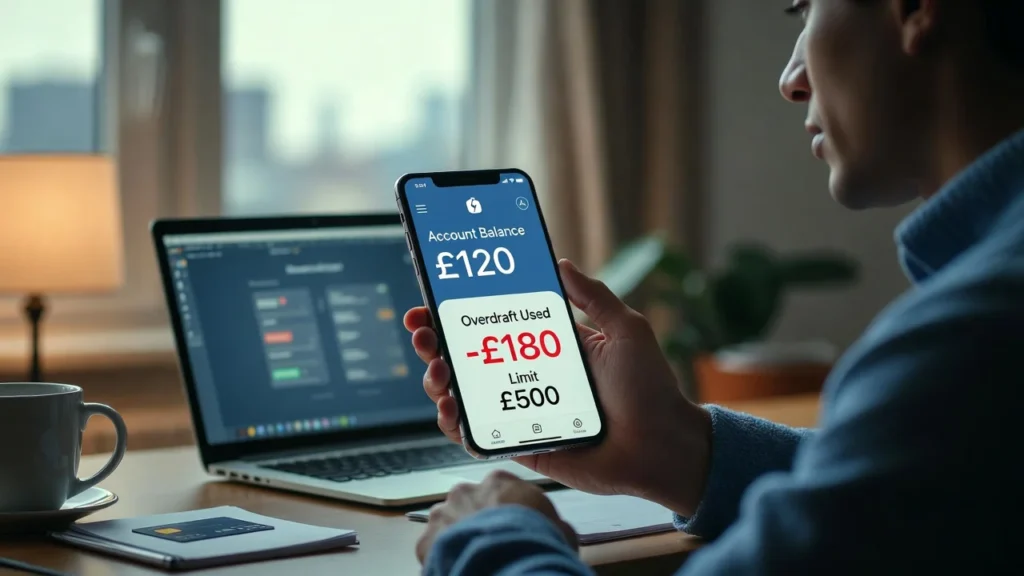
- An overdraft lets you spend more than your balance, up to an agreed limit
- Some overdrafts are interest-free (e.g. student accounts), while others charge fees
- Staying within your limit helps you avoid charges and protect your credit profile
Introduction
Managing your finances effectively starts with understanding how Bank Accounts & Overdrafts UK work. Whether you are opening your first account or trying to manage short-term cash shortages, knowing the basics can help you avoid unnecessary costs.
In the UK, bank accounts come with different features, including overdrafts that allow you to borrow money temporarily. While this can be useful, it also comes with responsibilities and potential fees.
This guide explains how UK bank accounts and overdrafts operate, the types available, and how to use them responsibly. By the end, you will be better equipped to make informed financial decisions.
Takeaway: A clear understanding helps you avoid fees and manage money confidently.
Key Takeaways
- UK bank accounts offer essential money management tools
- Overdrafts provide short-term borrowing but may include fees
- Interest-free options exist for certain users (e.g. students)
- Responsible use helps maintain financial stability
What is Bank Accounts & Overdrafts UK?
Bank Accounts & Overdrafts UK refers to the system of current accounts offered by UK banks and the overdraft facilities attached to them.
A bank account allows you to:
- Receive income
- Pay bills
- Make everyday transactions
An overdraft is a feature that lets you spend beyond your available balance. There are two main types:
- Arranged overdraft (agreed in advance)
- Unarranged overdraft (not pre-approved, often more expensive)
This matters because overdrafts can help in emergencies but may lead to costs if misused.
Takeaway: Overdrafts are borrowing tools, not extra income.
How Bank Accounts & Overdrafts UK Works in the UK
- You open a UK current account with a bank
- The bank may offer an overdraft based on eligibility
- You receive a set limit (e.g. £500)
- You can spend beyond your balance within this limit
- Interest or fees may apply depending on account type
- You repay the overdraft when funds are added to your account
Banks assess affordability and may adjust your limit over time.
Takeaway: Overdrafts are flexible but must be repaid.
Practical UK Examples
Scenario Comparison Table
| Scenario Type | Numbers/Figures | Outcome |
|---|---|---|
| Within limit | Balance £0, spend £300 (limit £500) | No issue, possible interest-free |
| Near limit | Spend £480 of £500 | Limited buffer, risk of fees |
| Exceeding limit | Spend £550 (limit £500) | Charges or declined transactions |
Real-Life Examples
- You use a £200 overdraft to cover bills before payday
- You stay within a £500 limit and avoid fees
- You exceed your limit and incur additional charges
Takeaway: Staying within limits helps you avoid unnecessary costs.
Pros and Cons
| Pros | Cons |
|---|---|
| Flexible short-term borrowing | Interest and fees may apply |
| Helps manage cash flow gaps | Risk of overspending |
| Easy access through current account | Can affect credit score if misused |
| Some accounts offer interest-free overdrafts | Charges for unarranged overdrafts |
Takeaway: Benefits depend on responsible usage.
Key Factors That Affect Bank Accounts & Overdrafts UK
- Credit history: Influences whether you are offered an overdraft
- Income level: Determines affordability and limit size
- Account type: Student and graduate accounts may offer better terms
- Usage patterns: Responsible use can increase limits
- Bank policies: Different providers have varying fees and rules
Takeaway: Your financial profile shapes your overdraft terms.
Common Mistakes to Avoid
- Treating overdraft as free money
- Exceeding your arranged limit
- Ignoring daily or monthly fees
- Not checking your account balance regularly
- Relying on overdrafts for long-term borrowing
Takeaway: Awareness and planning prevent financial issues.
Is Bank Accounts & Overdrafts UK Worth It for UK Users?
Bank accounts are essential for everyday financial management, and overdrafts can provide useful flexibility when used correctly.
They may suit you if:
- You need short-term financial support
- You can manage repayments responsibly
- You want flexibility in managing cash flow
They may not suit you if:
- You struggle with budgeting
- You rely heavily on borrowing
- You prefer structured loans with fixed repayments
Takeaway: Overdrafts are useful tools, but only when used carefully.
Regulatory Information (UK Specific)
In the UK, overdrafts are regulated by the Financial Conduct Authority (FCA). Banks must clearly explain fees, interest rates, and terms before offering overdrafts.
Rules are designed to ensure transparency and protect consumers from unfair charges. This includes standardised pricing structures and clear communication.
Takeaway: Regulation promotes fairness, but responsible use remains essential.
Conclusion
Understanding Bank Accounts & Overdrafts UK is essential for managing your finances effectively. While bank accounts provide everyday financial functionality, overdrafts offer short-term borrowing flexibility.
Used correctly, overdrafts can help you manage temporary cash flow issues. However, misuse can lead to fees and financial stress.
Next steps: Review your account terms, monitor your balance regularly, and use overdrafts only when necessary.