
Overview
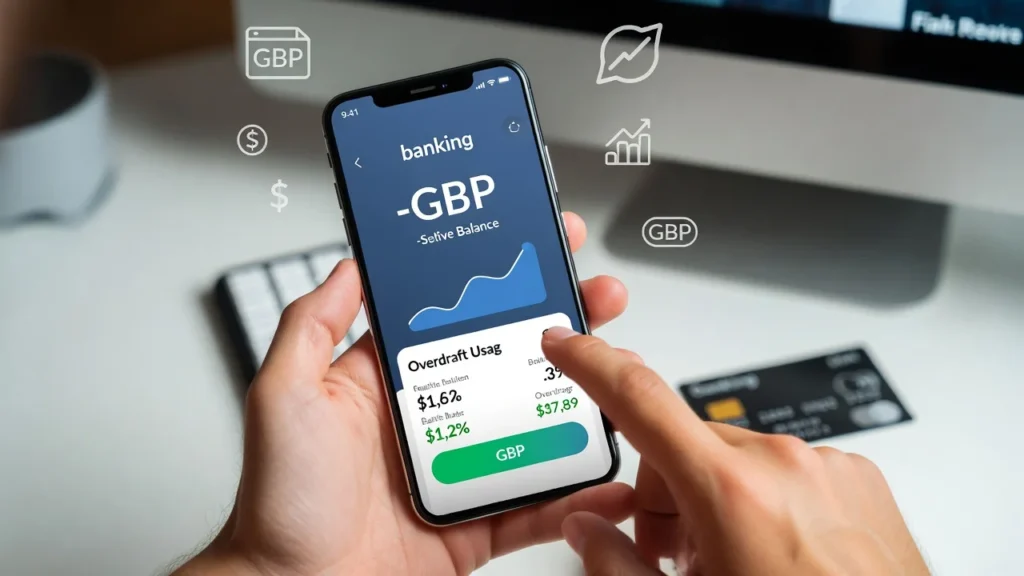
It’s a type of short-term borrowing linked to a bank account where you can spend more than your balance—even with a poor credit history. In the UK, approval depends on affordability checks, and limits are typically small with higher fees or interest.
Introduction
Unexpected expenses are a reality for many UK households. According to the Office for National Statistics (ONS), millions of adults have less than £100 in savings, making short-term credit solutions increasingly relevant. If you’ve ever faced a sudden bill with an empty balance, you may have considered an overdraft—even with bad credit.
An instant overdraft bad credit facility can seem like a quick fix, especially for beginners navigating UK banking. However, it’s important to understand how these arrangements work, what they cost, and whether they are suitable for your situation.
In this guide, you’ll learn how instant overdrafts operate in the UK, who can access them, typical costs, real-life scenarios, and safer alternatives. The aim is to help you make informed, financially responsible decisions.
Key Takeaways
- Instant overdrafts may be available even with poor credit, but limits are usually lower
- UK lenders must follow affordability checks under FCA rules
- Fees and interest can be higher than standard overdrafts
- Not all accounts offer instant access—approval may still take time
- Surprisingly, some basic bank accounts do not allow overdrafts at all
What is Instant Overdraft Bad Credit? (A UK Guide for Beginners)
An instant overdraft bad credit is a banking feature allowing you to borrow money through your current account, even if your credit score is low.
In the UK, overdrafts are typically divided into:
- Arranged overdrafts (agreed in advance with your bank)
- Unarranged overdrafts (spending beyond your limit without approval)
People with bad credit may still access arranged overdrafts, but:
- Limits are often smaller (£50–£500)
- Interest rates are typically higher
- Approval depends on your income and spending habits
This option is commonly used by:
- Students and young adults
- People rebuilding credit
- Individuals facing short-term cash shortages
How Instant Overdraft Bad Credit Works in the UK
- Application with a UK bank or provider
You request an overdraft when opening or managing your current account. - Affordability assessment
Banks assess your income, expenses, and credit file via agencies like Experian or Equifax. - FCA compliance checks
Providers must follow rules set by the Financial Conduct Authority (FCA) to ensure responsible lending. - Overdraft limit decision
If approved, you’ll receive a set limit (e.g. £100–£300). - Access to funds
You can spend beyond your balance instantly, up to your agreed limit. - Interest and fees applied
Most UK banks charge daily or annual interest (EAR) instead of fixed fees. - Repayment through deposits
Money paid into your account reduces your overdraft balance automatically.
Takeaway: Even “instant” overdrafts involve checks, and costs can add up quickly if not managed carefully.
Real UK Examples & Scenarios
| Scenario | Situation | Outcome | Key Lesson |
|---|---|---|---|
| London renter | £200 short before payday | Uses £150 overdraft | Short-term solution, but interest applies |
| Manchester student | Needs £100 for books | Approved small overdraft | Student accounts may offer better terms |
| Birmingham worker | Unexpected car repair (£300) | Overdraft declined due to low income | Not guaranteed, even with “instant” options |
Pros and Cons of Instant Overdraft Bad Credit
| Pros | Cons |
|---|---|
| Quick access to funds | High interest rates |
| No need for separate loan | Low borrowing limits |
| Flexible repayment | Risk of debt cycle |
| May help rebuild credit | Not available on all accounts |
| Convenient for emergencies | Charges can accumulate quickly |
Key Factors That Affect Instant Overdraft Bad Credit in the UK
- Credit Score
Even with bad credit, your score affects approval and limits. - Income Stability
Regular income improves your chances of approval. - Banking History
Long-term customers may receive better terms. - Credit Reference Agencies
UK lenders use Experian, Equifax, and TransUnion for assessments. - FCA Regulations
Rules ensure lenders check affordability and treat customers fairly. - Existing Debt Levels
High existing debt reduces your eligibility. - Account Type
Basic accounts often do not allow overdrafts.
Tip: Improving your credit score and maintaining steady income can increase your overdraft options.
Common Mistakes UK Consumers Make
- Relying on overdrafts as long-term borrowing
Overdrafts are designed for short-term use only. - Ignoring interest rates (EAR)
Many users underestimate how quickly costs add up. - Using unarranged overdrafts
These can be more expensive and harm your credit score. - Not checking account terms
Some UK banks have stricter policies for bad credit users. - Missing repayments indirectly
Failing to bring your balance positive can lead to ongoing charges.
Expert Insight
“Overdrafts can be a useful short-term borrowing tool, but they should not be used for ongoing financial problems. Always check costs and consider alternatives.”
— MoneyHelper (UK government-backed service)
Is Instant Overdraft Bad Credit Worth It for UK Users?
An instant overdraft bad credit facility can be helpful if:
- You face temporary cash shortages
- You need small amounts quickly
- You can repay within a short timeframe
However, it may not be suitable if:
- You rely on borrowing regularly
- Your income is unstable
- You already have multiple debts
Alternatives to consider:
- Credit unions (often lower-cost borrowing)
- Budgeting loans or advances
- 0% purchase credit cards (if eligible)
If you are struggling financially, consider seeking guidance from free UK services like MoneyHelper.
UK Regulatory Information
The Financial Conduct Authority (FCA) regulates overdrafts in the UK to ensure fair treatment of consumers. Since 2020, the FCA introduced rules requiring:
- Clear pricing structures (no fixed daily fees)
- Standardised interest rates (EAR)
- Mandatory affordability checks
Consumers are protected under UK law, including:
- The right to clear information
- Protection from unfair charges
- Access to complaints via the Financial Ombudsman Service
For official guidance, visit:
- MoneyHelper (government-backed financial advice)
- FCA official website
Conclusion & Next Steps
An instant overdraft bad credit option can provide short-term relief, but it’s not a long-term financial solution. Key takeaways include:
- Costs can be high, so use overdrafts carefully
- Approval depends on affordability, not just credit score
- Alternatives may offer better value in some cases
Next steps:
- Review your bank account terms carefully
- Compare overdraft rates and eligibility criteria
- Consider improving your credit profile before applying
Overdraft & loan insights UK focused answers
No legitimate UK bank offers overdrafts without checks. Under FCA rules, lenders must assess affordability. However, some providers may accept lower credit scores and focus more on your income and account history.
An overdraft is linked to your bank account and is flexible. A loan is a fixed amount with structured repayments. Overdrafts are usually better for short-term borrowing, while loans suit planned expenses.
Generally, instant overdraft for teenager options are limited. Most UK banks require customers to be 18 or older. Some student accounts may offer overdrafts with parental or educational status.
Yes, instant overdraft for young adults is more common, especially with student or graduate accounts. However, limits are usually low, and approval depends on income and financial behaviour.
Costs vary but are usually expressed as EAR (Effective Annual Rate). Many banks charge around 30%–40% EAR, depending on your account and credit profile.
It can help if used responsibly and repaid on time. However, frequent or excessive use may negatively impact your credit profile.