

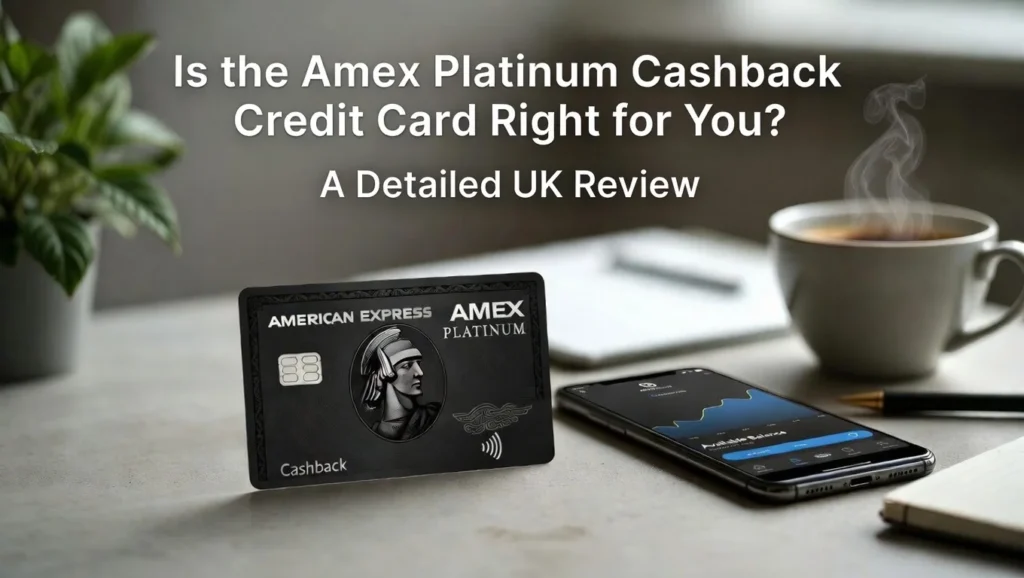
We examine the features, benefits, and potential drawbacks of this popular cashback card to help you make an informed decision.
Introduction
In the current economic climate, making your money work harder is more important than ever. For many UK consumers, a cashback credit card can be a simple way to get a little back from your everyday spending—whether that’s the weekly supermarket shop, your morning coffee, or paying for petrol. Instead of earning points or air miles that require complex calculations, cashback cards offer a straightforward reward: money.
Among the most prominent players in this space is American Express, with its Platinum Cashback Credit Card. You’ve likely seen the adverts or heard about it from friends, but how does it actually perform for real people? This article provides a detailed, balanced review of the Amex Platinum Cashback Credit Card specifically for UK consumers. We will dissect its rewards structure, weigh its pros against its cons, and crucially, help you determine if it aligns with your personal spending habits and financial situation before you apply. You will learn not just about the card itself, but the golden rules of using any cashback card effectively.
Key Takeaways (For the Skimmers)
- How it works: The card offers a tiered cashback rate. You typically earn a higher rate (e.g., 5%) for a limited time after joining, followed by a standard rate (up to 1%) on all purchases for the rest of the year .
- The Catch: Cashback is usually paid annually, not monthly, which means you won’t see the money in your pocket for up to a year .
- The Fee: There are two versions: a fee-free card and a Platinum Cashback Everyday card with an annual fee (often around £25) that offers a higher cashback rate . You must calculate which one leaves you better off.
- Acceptance: This is the most significant limitation. American Express is not accepted everywhere in the UK. Smaller, independent shops and some restaurants may only take Visa or Mastercard.
- The Golden Rule: To truly benefit, you must pay your balance in full every month. The interest charged on carried-over debt will almost certainly outweigh any cashback earned .
What is the Amex Platinum Cashback Credit Card?
The American Express Platinum Cashback Credit Card is a personal credit card designed to reward cardholders with a percentage of their spending back as cash. Unlike rewards cards that offer points or vouchers, this card provides a monetary return that is typically credited directly to your statement annually.
It’s often positioned as a beginner-friendly credit card, suitable for those looking to build a credit history while earning a small return on their spending, provided they manage the account responsibly . However, it’s not a one-size-fits-all product, and understanding the specific terms is crucial.
The Cashback Structure: How It Works
To understand this card, you need to look at its two-phase cashback structure. While rates are subject to change and you should always check the provider’s website for the most current information, the structure generally follows this pattern:
- Introductory Period: New cardholders often receive an elevated cashback rate (for example, 5%) on all eligible purchases for the first few months, typically up to a capped amount of cashback.
- Ongoing Rewards: After the introductory period ends, you earn a standard cashback rate on all your spending for the remainder of your card membership year. This rate is typically between 0.5% and 1% .
It is vital to note that cashback is usually calculated and paid out once a year, on the anniversary of your account opening . This differs from some competitors who offer monthly or even daily cashback.
The Two-Tier System: Everyday vs. Platinum
American Express typically offers two versions of this card, which can cause confusion:
Example in Practice:
Imagine you spend £10,000 on your card in a year.
- With the £0 fee card at 0.5%, you would earn £50 cashback.
- With the £25 fee card at 1%, you would earn £100 cashback, but after the fee, you are left with £75.
In this scenario, the card with the fee leaves you £25 better off. However, if you only spent £5,000, the fee-free card (£25 cashback) would be better than the paid-for card (£50 cashback minus £25 fee = £25), making them equal. Always do the maths based on your spending.
The Pros: Why Consider This Card?
1. Straightforward Cash Rewards
Unlike complex loyalty schemes, cashback is simple. For every eligible £1 you spend, you get a set percentage back in pounds and pence. This transparency is a major draw for users who want a clear benefit without tracking points valuations .
2. Valuable Amex Offers
Beyond the standard cashback, American Express runs a programme called “Amex Offers.” These are targeted deals that provide additional statement credits or cashback when you shop with specific retailers. These can range from 20% off at LNER train tickets to money back at major supermarkets or brands like Deliveroo . These offers can significantly boost the value you get from the card.
3. Strong Consumer Protections
When you make a purchase with any credit card, you benefit from Section 75 of the Consumer Credit Act. This makes your credit card provider jointly liable if something goes wrong with a purchase costing between £100 and £30,000 . For example, if you buy a sofa for £800 from a company that goes bust before delivery, you can claim your money back from the credit card issuer. Amex is also known for its Fraud Protection Guarantee, meaning you shouldn’t be liable for fraudulent charges made on your card .
4. Potential for Building Credit History
For newcomers to the UK or those with a thin credit file, using a card like this responsibly—by spending a small amount and paying it off in full each month—can help build a positive credit history with credit reference agencies .
The Cons: The Limitations You Need to Know
1. The “Amex Acceptance” Issue
This is the most frequently cited drawback. American Express charges retailers higher transaction fees than Visa or Mastercard. Consequently, many smaller businesses do not accept it . While acceptance is high among supermarkets, large chains, and for online shopping, you will likely encounter places—from your local corner shop to the independent cafe—that only take Visa, Mastercard, or cash. You will always need a backup payment method.
2. The Annual Fee (Depending on the Card)
As illustrated in the table, the version with a better rewards rate comes with an annual fee. If you don’t spend enough to recoup this fee, it erodes—or even eliminates—your cashback .
3. Delayed Gratification (Annual Payout)
Unlike some bank accounts or competitors that offer instant or monthly cashback, you have to wait a full year to receive your cashback with this Amex card . You need to be disciplined and remember that the value is accruing in the background.
4. High APR and the Danger of Interest
Cashback credit cards typically have high representative APRs (Annual Percentage Rates) , often around 20% or more . If you do not pay your balance in full, you will be charged interest on the outstanding amount. This interest will very quickly surpass any cashback you have earned. This card is only financially beneficial if you are a “full payer” .
Practical Example: Is It Worth It?
Let’s look at two hypothetical users to see how this plays out.
Scenario A: The Ideal User
- Name: Sarah
- Profile: Salaried professional, spends £1,500 per month on the card for groceries, petrol, train tickets, and dining out.
- Annual Spend: £18,000
- Card Choice: Platinum Cashback (£25 fee, 1% rate).
- Cashback Earned: £18,000 * 0.01 = £180.
- Minus Annual Fee: £180 – £25 = £155 net profit.
- Outcome: Sarah benefits significantly. She also uses Amex Offers for £30 off her weekly shop and ensures her Direct Debit pays the full balance each month, incurring zero interest.
Scenario B: The User Who Should Reconsider
- Name: David
- Profile: Often carries a balance, spends £200 per month on the card, but sometimes forgets to pay the full amount. Annual spend £2,400.
- Card Choice: Platinum Cashback Everyday (No fee, 0.5% rate).
- Cashback Earned: £2,400 * 0.005 = £12.
- Potential Interest: Carries an average balance of £500 for six months. At a 24% APR, this costs roughly £60 in interest.
- Net Result: -£48 loss.
- Outcome: David is worse off. The interest charges have wiped out his cashback and cost him money. He would be better off with a card focused on a low interest rate or a 0% purchase card.
Common Misconceptions and FAQs
Misconception: “I’ll get cashback on everything immediately.”
Fact: Cashback is usually calculated and paid annually, and some transactions (like cash advances or balance transfers) do not qualify.
Misconception: “It’s accepted everywhere.”
Fact: While growing, Amex acceptance is not universal in the UK. Always carry a Visa or Mastercard as a backup .
Regulatory and Protection Information (UK Specific)
Understanding your rights is just as important as understanding the rewards.
- Section 75 Protection: As mentioned, this is a powerful tool for UK consumers. Because the Amex card is a credit card, any single item you buy costing between £100 and £30,000 is protected . This includes the full item cost, even if you only paid a deposit on the card. If the supplier breaches the contract (e.g., fails to deliver, provides faulty goods), the credit card provider is equally liable .
- Chargeback: For purchases under £100, or for payments made on a debit card, you are not covered by Section 75. However, you may be able to use chargeback, a scheme where your card provider can reverse a transaction. This is a voluntary scheme, not a law, but American Express, as a card network, participates in it . You usually have 120 days to make a claim.
- Regulatory Landscape: The credit card market is overseen by the Financial Conduct Authority (FCA). Ongoing reforms mean that consumer protections are regularly reviewed to ensure fairness and transparency . Your credit agreement is a legally binding document, so it’s essential to read the terms and conditions provided by American Express.
Conclusion and Actionable Summary
The Amex Platinum Cashback Credit Card can be a valuable financial tool, but it is not for everyone. It rewards discipline and punishes carelessness. Before you apply, take these steps:
- Check Your Spending: Review the last few months of bank statements. Calculate your total annual spend. Use this figure to determine which card version (fee vs. no-fee) would leave you better off.
- Commit to Being a Full Payer: Be brutally honest with yourself. If there is any risk you won’t pay the balance in full each month, the interest charges will cancel out any rewards. Set up a Direct Debit to pay the full amount to avoid this .
- Check Acceptance: While your big weekly shop might be fine, think about where else you spend money. Ensure you have a backup Visa or Mastercard for places that don’t take Amex.
- Check Your Eligibility: Before making a formal application, use an online eligibility checker. This will perform a “soft search” on your credit file and tell you the likelihood of approval without leaving a mark that could hurt your score .
By following these steps, you can make an informed decision and, if the card is right for you, enjoy the benefits of earning cashback safely and effectively.
Frequently Asked Questions Amex cashback
Cashback is typically calculated based on your spending over a 12-month period from when you opened your account. It is usually credited to your account as a statement balance reduction shortly after your first membership anniversary. The introductory bonus cashback is often paid shortly after the introductory period ends.
The main difference is the annual fee and the associated cashback rate. The “Everyday” version has no annual fee but a lower cashback rate. The standard Platinum Cashback card charges an annual fee (around £25) but offers a higher rate of cashback, making it better for higher spenders.
American Express cards typically charge a foreign transaction fee (often around 2.99%) on purchases made outside the UK. You should check the latest terms and conditions, as this can make it an expensive option for holidays or overseas spending compared to specialist travel cards.
Yes, if you paid for an item or service costing between £100 and £30,000. This is thanks to Section 75 of the Consumer Credit Act. The card provider is jointly liable, so you can claim a refund from them.
The refund will be processed back to your Amex card, reducing your outstanding balance. This does not negatively impact your cashback earnings; the transaction is simply reversed. If the refund pushes you into a negative balance (a credit), you can request a transfer of the excess funds to your bank account, though it’s often easier to just spend from the positive balance.