
Introduction
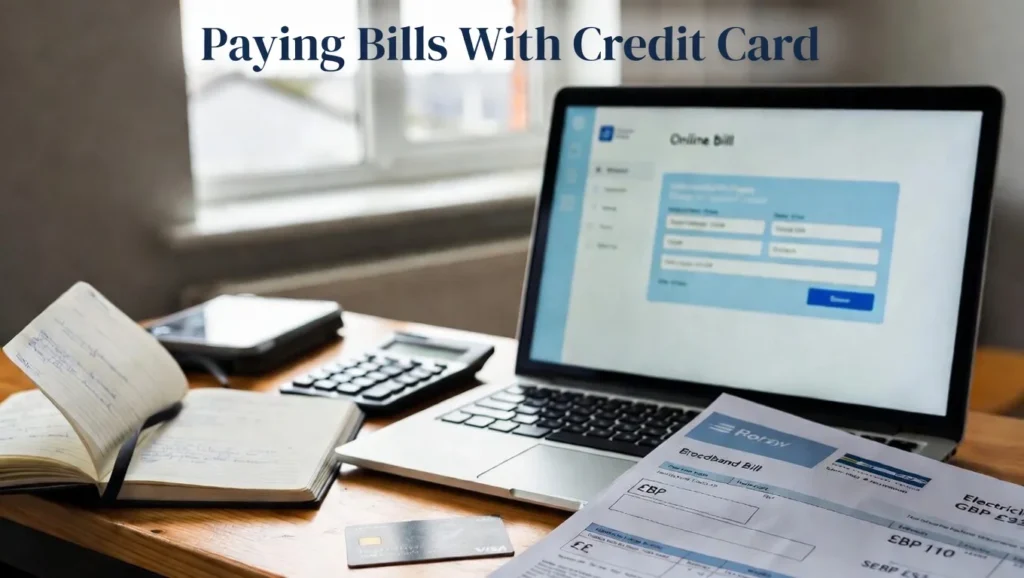
Managing household costs in the UK has become increasingly complex as energy prices, rent, and everyday expenses continue to rise. Because of this, many people explore flexible payment options, including paying bills with credit card facilities. This approach allows you to settle certain bills while temporarily delaying the cash outflow from your bank account.
For beginners, using a credit card to pay bills can seem convenient, especially when cash flow is tight or when you want to consolidate expenses into one monthly payment. However, this method also involves costs, rules, and potential risks that UK consumers should understand before relying on it.
In this guide, you will learn how paying bills with a credit card works in the UK, which bills typically allow it, the advantages and drawbacks, and the key factors that affect whether it is a sensible financial choice. The goal is to help you make informed decisions about using credit responsibly.
Takeaway: Paying bills with a credit card can offer flexibility, but understanding fees, interest, and UK regulations is essential.
Key Takeaways
• Paying bills with a credit card allows you to cover certain expenses while delaying payment until your card statement is due.
• Not all UK bill providers accept credit cards directly, and some may charge additional processing fees.
• Interest can accumulate quickly if you do not repay the balance in full each month.
• Responsible use can support short-term cash flow management but requires careful budgeting.
Takeaway: Convenience exists, but fees and interest must be considered carefully.
What Is Paying Bills With Credit Card?
Paying bills with credit card refers to using a credit card instead of a bank account or debit card to settle regular expenses such as utilities, subscriptions, or council-related charges.
In the UK, most households typically pay bills through Direct Debit from a current account. However, some services allow credit card payments either directly or through third-party platforms. This enables you to temporarily borrow money from your credit provider to cover expenses.
For beginners, this option can help manage short-term cash flow gaps or allow spending to be grouped into one monthly statement. It may also provide purchase protection under Section 75 of the Consumer Credit Act for certain transactions.
However, using credit to pay everyday expenses can increase borrowing if the balance is not cleared promptly.
Takeaway: Paying bills with a credit card means borrowing temporarily to cover expenses instead of paying directly from your bank account.
How Paying Bills With Credit Card Works in the UK
The process for paying bills with a credit card is relatively straightforward, although availability varies depending on the bill provider.
Typical process in the UK:
• You receive a bill from a provider such as an energy company, broadband provider, or local authority.
• The provider offers payment options including debit card, bank transfer, or sometimes credit card.
• You enter your credit card details and authorise the payment.
• The amount is added to your credit card balance.
• At the end of the billing cycle, the charge appears on your credit card statement.
• You repay the balance either in full or through minimum monthly payments.
If you repay the full balance before the due date, you usually avoid interest. If you only pay the minimum, interest will typically apply to the remaining balance.
Takeaway: Credit card bill payments function like any other credit card purchase but must be repaid according to the card’s terms.
Practical UK Examples
To understand how this works in real life, consider several common scenarios faced by UK households.
Example 1: Utility bill payment
You receive an electricity bill of £150 and pay it using your credit card. If you repay the card balance in full within the interest-free period, you effectively delay payment without paying extra.
Example 2: Emergency expense
Your car repair costs £450 shortly before payday. Paying with a credit card allows you to settle the bill immediately and repay it when your income arrives.
Example 3: Subscription services
Monthly subscriptions such as streaming or software may automatically charge your credit card, simplifying recurring payments.
Comparison Table
| Scenario Type | Amount Charged | Outcome |
|---|---|---|
| Utility bill | £150 | No interest if repaid in full before due date |
| Emergency car repair | £450 | Flexible repayment but interest applies if balance remains |
| Subscription services | £15 monthly | Simplifies automatic payments |
These examples highlight how convenience and cost depend on repayment behaviour.
Takeaway: The financial outcome depends largely on whether you repay the credit card balance quickly.
Pros and Cons
Using a credit card for bills offers advantages but also introduces potential risks.
| Pros | Cons |
|---|---|
| Short-term cash flow flexibility | Interest charges if balance not repaid |
| Ability to consolidate expenses into one statement | Some providers charge processing fees |
| Possible consumer protection under UK credit laws | Risk of increasing personal debt |
| Can help track spending through card statements | Not all bills accept credit card payments |
Neither side automatically outweighs the other; the outcome depends on how you manage your credit.
Takeaway: Benefits exist mainly for disciplined users who repay balances promptly.
Key Factors That Affect Paying Bills With Credit Card
Several factors influence whether this approach is practical for UK consumers.
• Interest rate (APR)
Credit cards in the UK often carry high annual percentage rates. If balances remain unpaid, interest can accumulate quickly.
• Acceptance by bill providers
Not all providers accept credit cards. Some energy companies or councils prefer Direct Debit or bank transfer.
• Payment processing fees
Certain services add a fee when you pay with a credit card, increasing the overall cost of the bill.
• Credit utilisation
Charging multiple bills to your card increases your credit utilisation ratio, which may affect your credit score.
• Billing cycle timing
Strategically paying bills early in a credit cycle may maximise the interest-free period.
Takeaway: The financial impact depends on interest rates, provider rules, and your repayment habits.
Common Mistakes to Avoid
Many beginners make avoidable errors when paying bills with credit cards.
One common mistake is relying on credit cards for routine expenses without a clear repayment plan. This can lead to a growing balance over time.
Another issue occurs when people ignore additional processing fees. Even a small percentage fee can increase the cost of the bill significantly over several months.
You should also avoid missing credit card payment deadlines. Late payments may trigger fees and negatively affect your credit history.
Finally, some users underestimate the effect of interest rates. Carrying a balance for several months can make relatively small bills much more expensive.
Takeaway: Responsible budgeting and awareness of fees help prevent credit card bills from becoming long-term debt.
Is Paying Bills With Credit Card Worth It for UK Users?
Whether paying bills with a credit card is worthwhile depends largely on your financial habits.
It may be suitable if you manage your credit carefully, track spending regularly, and repay your balance in full each month. In this situation, a credit card can act as a short-term cash flow tool rather than long-term borrowing.
However, it may not be ideal if you already carry a credit card balance or struggle with budgeting. Adding regular bills to an existing balance could increase debt and interest costs.
Ultimately, the strategy works best when used occasionally and strategically rather than as a default payment method.
Takeaway: Paying bills with a credit card can be useful for disciplined users but risky for those already managing debt.
Regulatory Information (UK Specific)
Credit card providers in the UK operate under regulations overseen by the Financial Conduct Authority (FCA). These rules are designed to ensure transparency, fair lending practices, and responsible credit management.
Consumers also benefit from protections under the Consumer Credit Act 1974. For certain purchases between £100 and £30,000, Section 75 may provide additional protection if goods or services are faulty or not delivered.
Credit providers must clearly disclose interest rates, fees, and repayment terms. You also have the right to receive clear statements outlining balances, payment deadlines, and charges.
Takeaway: UK regulations aim to ensure fair lending and provide consumer protection when using credit cards.
Conclusion
Paying bills with a credit card can provide flexibility and convenience for UK consumers, particularly when managing short-term cash flow. It allows you to consolidate spending and delay payment until your statement is due.
However, the strategy requires discipline. Interest charges, processing fees, and increased credit utilisation can quickly offset the convenience if balances are not repaid promptly.
Before using this approach, review your credit card terms, check whether the bill provider accepts credit cards, and ensure you can repay the balance in full each month.
Used carefully, paying bills with a credit card can be a practical financial tool. Used without planning, it may lead to unnecessary borrowing.
Frequently Asked Questions credit card bill payments
Yes, some UK bill providers allow credit card payments, including certain utilities, online subscriptions, and service providers. However, many organisations prefer Direct Debit or debit card payments. Availability varies by company, and some providers may apply additional processing fees.
It can affect your credit score indirectly. High credit utilisation or missed payments may lower your score. However, paying your balance on time and keeping usage within limits can demonstrate responsible credit management and support a positive credit history.
Some companies charge processing fees when accepting credit card payments. These fees typically range from 1% to 3% of the transaction amount. Always check the provider’s payment policy before using a credit card to avoid unexpected charges.
Direct Debit remains the most common and often cheapest method for paying bills in the UK. Credit cards may offer short-term flexibility but can become costly if interest or fees apply. The best option depends on your financial habits and repayment ability.
For some people, credit card statements provide a clear overview of monthly spending, which can support budgeting. However, relying on credit without tracking expenses carefully may lead to overspending and financial strain.