
Introduction
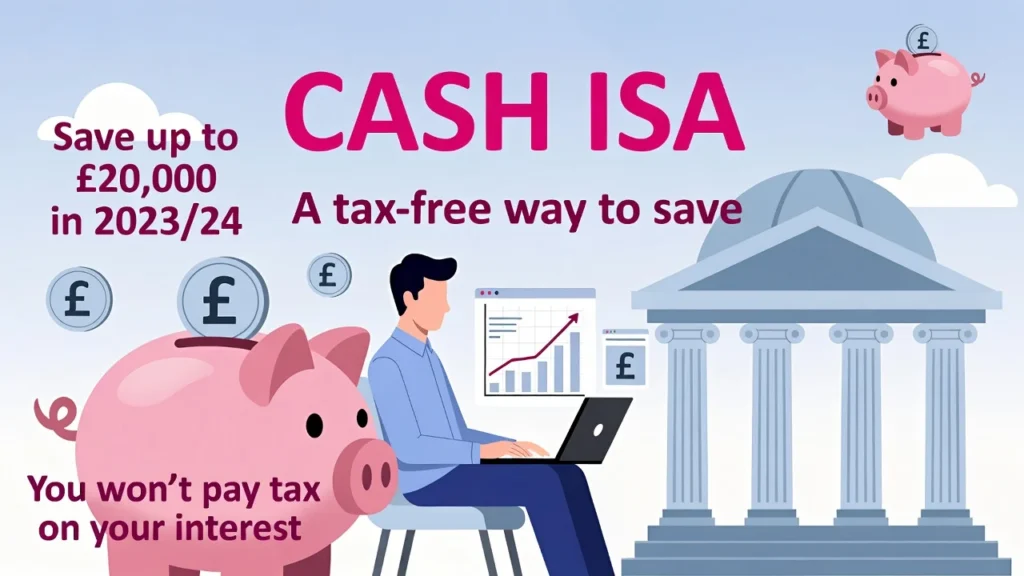
Saving money efficiently is an important part of managing your finances in the UK. One of the most popular ways to do this is through a Cash ISA, a government-backed savings account designed to help you earn interest without paying tax on your returns.
Many UK savers use Cash ISAs to protect their savings from tax while keeping their money easily accessible. With interest rates and tax thresholds changing over time, understanding how these accounts work in 2026 can help you decide whether they fit into your financial plans.
In this guide, you will learn what a Cash ISA is, how it works in the UK, its advantages and disadvantages, and common mistakes to avoid. By the end, you will have a clear understanding of whether a Cash ISA could be a useful part of your personal savings strategy.
Takeaway: A Cash ISA is a tax-efficient savings option widely used by UK consumers to protect interest earnings.
Key Takeaways
• A Cash ISA allows you to earn interest on savings without paying UK income tax on the interest.
• The annual ISA allowance in 2026 remains £20,000, which can be spread across different ISA types.
• Cash ISAs are generally considered low risk, making them suitable for cautious savers.
• Interest rates and access conditions vary depending on the provider and ISA type.
Takeaway: Cash ISAs provide tax-free savings within an annual contribution limit set by the UK government.
What Is a Cash ISA in the UK and How Does It Work in 2026?
A Cash ISA (Individual Savings Account) is a tax-efficient savings account available to UK residents. It allows you to deposit money and earn interest without paying income tax on the interest earned.
The UK government introduced ISAs to encourage individuals to save money. Within the ISA system, a Cash ISA functions similarly to a traditional savings account but with the key benefit of tax-free interest.
Cash ISAs are commonly used by:
• Individuals saving for short- to medium-term goals
• People who want low-risk savings options
• Savers who have already used their Personal Savings Allowance
In 2026, the overall ISA allowance remains £20,000 per tax year, meaning you can contribute up to this amount across all your ISAs combined.
Takeaway: A Cash ISA is a government-approved account that allows UK savers to earn interest tax-free within the annual ISA allowance.
How What Is a Cash ISA in the UK and How Does It Work in 2026 Works in the UK
Understanding the process is straightforward. A Cash ISA operates similarly to a savings account but with tax advantages.
Here is how it typically works in the UK:
• You must be a UK resident aged 18 or over to open a Cash ISA.
• You choose a provider such as a bank, building society, or authorised financial institution.
• You deposit money into the account up to the £20,000 annual ISA allowance.
• Interest is earned on the balance according to the provider’s rate.
• The interest earned is not subject to UK income tax.
• Funds may be accessed depending on whether the ISA is easy access, notice-based, or fixed-term.
Some providers allow ISA transfers, meaning you can move funds from one Cash ISA to another without losing tax benefits.
Takeaway: Cash ISAs work like savings accounts but provide tax-free interest within the annual ISA allowance.
Practical UK Examples
To understand how Cash ISAs work in real life, consider these realistic examples.
Example 1
You deposit £10,000 into an easy access Cash ISA with an interest rate of 4% annually. After one year, you earn £400 interest, and you do not pay tax on it.
Example 2
Another saver places £20,000 into a fixed-rate Cash ISA at 4.5% interest for one year. The interest earned is £900, which remains tax-free.
Example 3
A saver contributes £5,000 annually for four years, earning interest each year without tax deductions.
Comparison Table
| Scenario | Amount Saved | Interest Rate | Annual Interest | Outcome |
|---|---|---|---|---|
| Easy access saver | £10,000 | 4% | £400 | Tax-free interest |
| Fixed-rate saver | £20,000 | 4.5% | £900 | Higher interest but less flexibility |
| Long-term saver | £5,000 yearly | 4% average | Variable | Gradual tax-free growth |
Takeaway: The main benefit of a Cash ISA is that all interest earned remains free from UK income tax.
Pros and Cons
| Pros | Cons |
|---|---|
| Interest earnings are tax-free | Interest rates may be lower than some investments |
| Suitable for low-risk savers | Annual contribution limit applies |
| Wide range of account types | Fixed ISAs may restrict withdrawals |
| Simple and easy to understand | Inflation can reduce real value of savings |
Takeaway: Cash ISAs prioritise stability and tax efficiency, but they may offer lower growth compared with investment options.
Key Factors That Affect What Is a Cash ISA in the UK and How Does It Work in 2026
Several factors influence how beneficial a Cash ISA may be for you.
• Interest Rates
Different providers offer different rates, which directly affect how much you earn.
• ISA Allowance Limits
The government sets the annual ISA allowance, which currently stands at £20,000.
• Inflation
If inflation is higher than your interest rate, your savings may lose purchasing power.
• Access Terms
Easy access accounts allow withdrawals anytime, while fixed ISAs require you to lock funds for a set period.
• Personal Savings Allowance
Some savers already have tax-free interest allowances, which may affect the relative benefit of a Cash ISA.
Takeaway: Interest rates, inflation, and access conditions strongly influence the value of a Cash ISA.
Common Mistakes to Avoid
Many savers misunderstand how Cash ISAs work. Avoid these common mistakes.
Ignoring interest rates
Not all Cash ISAs offer the same returns. Comparing rates can significantly affect your earnings.
Exceeding the ISA allowance
Depositing more than the annual limit can lead to administrative corrections by the provider.
Withdrawing from fixed accounts early
Some fixed-rate ISAs charge penalties for early withdrawals.
Opening multiple ISAs incorrectly
You can only subscribe to one Cash ISA per tax year with new contributions.
Takeaway: Understanding the rules helps you maximise the benefits of a Cash ISA.
Is What Is a Cash ISA in the UK and How Does It Work in 2026 Worth It for UK Users?
A Cash ISA may be worthwhile for many UK savers, particularly those seeking tax-efficient, low-risk savings options.
It may suit individuals who want predictable interest earnings and prefer keeping their savings accessible rather than investing in higher-risk assets.
However, it may not be ideal for people seeking long-term growth. Investment options such as stocks and shares ISAs may provide higher potential returns, though they involve greater risk.
Takeaway: Cash ISAs are generally most suitable for cautious savers who prioritise security and tax-free interest.
Regulatory Information (UK Specific)
Cash ISA providers in the UK must be authorised and regulated by the Financial Conduct Authority (FCA). This regulation ensures that financial institutions follow strict standards related to consumer protection and financial transparency.
Most Cash ISA deposits are also covered by the Financial Services Compensation Scheme (FSCS). This scheme protects eligible deposits up to £85,000 per person per financial institution if a provider fails.
Regulatory oversight ensures that ISA providers operate within UK financial laws and maintain appropriate safeguards for consumers.
Takeaway: Cash ISA providers operate within a regulated financial framework designed to protect UK savers.
Conclusion
Understanding what a Cash ISA is in the UK and how it works in 2026 can help you make informed decisions about your savings. These accounts provide a simple way to earn interest without paying tax, making them attractive for many cautious savers.
You can deposit up to £20,000 each year within the ISA system, choose between different types of Cash ISAs, and benefit from tax-free interest on your savings. However, interest rates, inflation, and access restrictions should all be considered before choosing an account.
If you are planning to organise your savings more efficiently, reviewing your financial goals and comparing available ISA options can help determine whether a Cash ISA fits into your strategy.
Frequently Asked Questions Cash ISA 2026
A Cash ISA is a savings account that allows UK residents to earn interest without paying income tax on those earnings. It forms part of the government’s Individual Savings Account system and is widely used for tax-efficient savings.
The total ISA allowance for the 2026 tax year is £20,000. This amount can be placed entirely in a Cash ISA or divided between other ISA types, such as stocks and shares ISAs.
Yes. Interest earned in a Cash ISA is not subject to UK income tax. This applies regardless of how much interest you earn, provided your deposits stay within the annual ISA allowance.
This depends on the type of Cash ISA. Easy access ISAs allow withdrawals at any time, while fixed-rate ISAs may charge penalties or restrict withdrawals until the end of the fixed term.
You may hold multiple Cash ISAs over time. However, you can usually contribute new funds to only one Cash ISA per tax year, unless using special flexible ISA rules.